

Kenscoff Massacre: Several Killed as Vladimir Paraison’s and Erik Prince’s Security Failure Is Laid Bare
This article is also available in Français, Español and Kreyòl ayisyen

Another bloody tragedy has once again exposed Haitian authorities’ inability to keep the population safe. On the night of Sunday, August 23, 2026, heavily armed men attacked several parts of downtown Kenscoff, killing several people and setting fire to homes and places of worship. According to Kenscoff Mayor Jean Massillon, several residents were killed in the assault. A church that was serving as a shelter for displaced people was targeted and set on fire after its occupants were massacred. Children are reportedly among the victims.
The violence also spread to the immediate vicinity of the Kenscoff police station, raising serious questions about security forces’ ability to protect even areas that are supposed to have a reinforced police presence. Among the properties torched was that of Dr. William Pape, founder of the GHESKIO centers. The mayor reported that the property’s caretaker was murdered and several animals, including a dog and horses, were also killed. “At Dr. Pape’s, they murdered the caretaker and killed the dog and horses,” Massillon lamented, urging the authorities to carry out real operations against the armed groups terrorizing the commune.
Above all, the new massacre reignites the debate over the leadership of the Haitian National Police (PNH). As head of the institution, Vladimir Paraison now faces a series of questions the authorities must answer. Despite the human, material and financial resources mobilized in the name of fighting insecurity, armed groups continue to extend their grip and strike civilians with disconcerting ease. Kenscoff is the latest example. The attack, carried out in a strategic area of the metropolitan region, shows that the PNH is still struggling to anticipate armed group offensives, protect vulnerable populations and regain lasting control of territory. The effectiveness of Paraison’s command is therefore increasingly being questioned. Police leadership cannot be judged solely on statements, one-off operations or announcements. It must also be judged on its ability to prevent massacres, protect civilians and restore state authority. In that respect, the Kenscoff tragedy is a serious setback.
The other major question concerns the role of Erik Prince and the use of the resources committed by the Haitian government as part of its security strategy. The government has spent large sums on the initiative, raising hopes of a substantial improvement in security. Yet on the ground, the population continues to suffer massacres, forced displacement, arson and armed attacks. This raises a simple question: what concrete results have been achieved in return for the considerable sums spent by the state?
If significant public funds have indeed been paid out to strengthen the fight against armed groups, the authorities must account for how they were used and what they achieved. It is not enough to pour money into a security strategy; the investment must produce measurable results for the population. In Kenscoff, as in several other parts of the country, those results remain hard to see.
The Kenscoff massacre is not just another episode of violence. It is also a symptom of a deep crisis of the Haitian state.
Citizens were killed in their homes, displaced people were attacked in a place meant to shelter them, and properties were set ablaze near a police station. Such a situation reflects an alarming breakdown in the mechanisms meant to protect the population.
Faced with this reality, the authorities can no longer simply condemn the violence after each massacre. They must explain why intelligence failed to anticipate the attack, why security forces were unable to protect residents and what concrete measures will be taken to prevent such a tragedy from happening again. For the PNH, as for those responsible for the state-funded security strategy, the August 23 massacre is a major test of credibility.
Journaliste-Rédactrice à Hebdo24 | Politicienne | Experte en Relations Internationales 📩 : jenny@hebdo24.com Suivez-moi sur X : @jennyhebdo24
All articles Transport Package Services
Read also
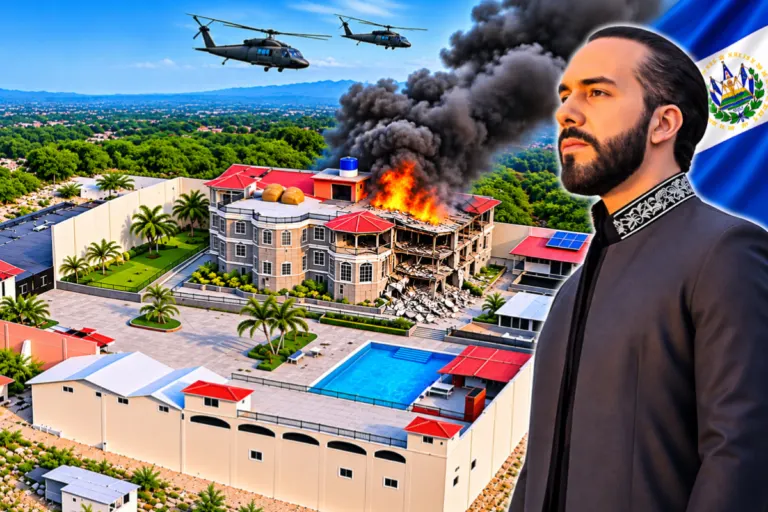
Salvadoran strikes destroy Jeff Gwo Lwa’s residence as Bukele calls it a “gift” to Haitians for Vertières
3 hours ago
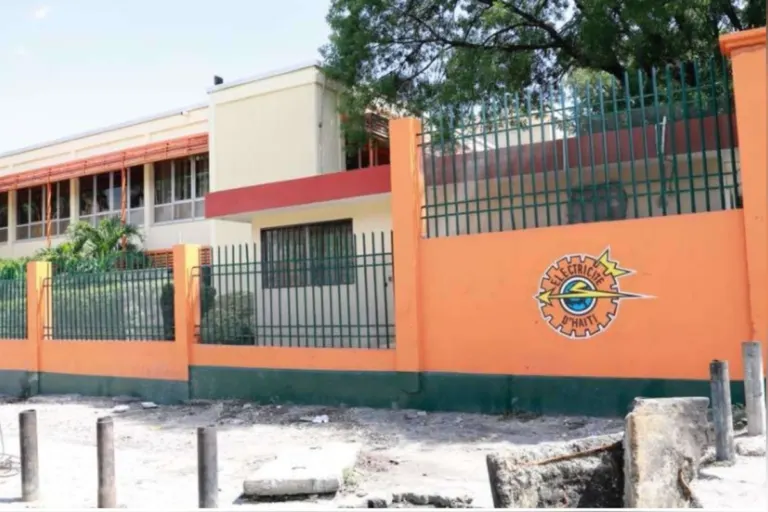
Anti-gang offensive: Haitian and Salvadoran forces seize EDH premises on Bicentenaire
15 Nov

Port-au-Prince: PNH and Salvadoran soldiers retake control of Sylvio Cator Stadium
13 Nov
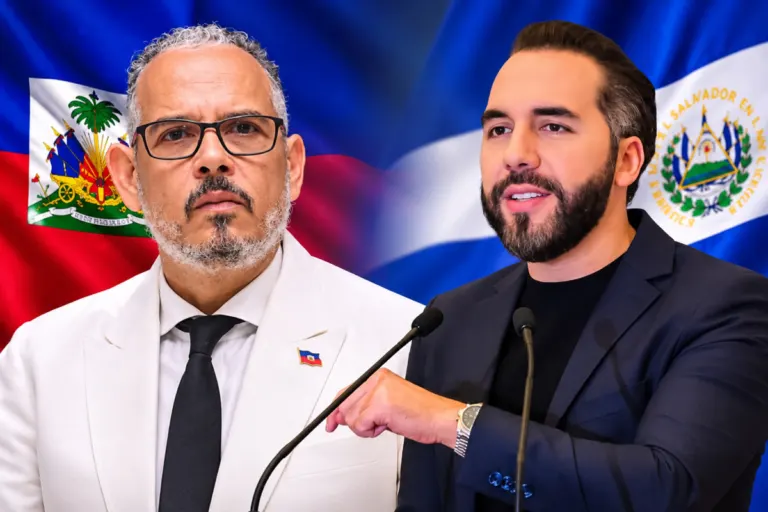
Salvadoran Operations in Haiti: Alix Didier Fils-Aimé and Nayib Bukele See Eye to Eye
10 Nov