

July 7: Haiti Cycles Through Transitional Governments as the Jovenel Moïse Case Drags On
This article is also available in Français, Español and Kreyòl ayisyen
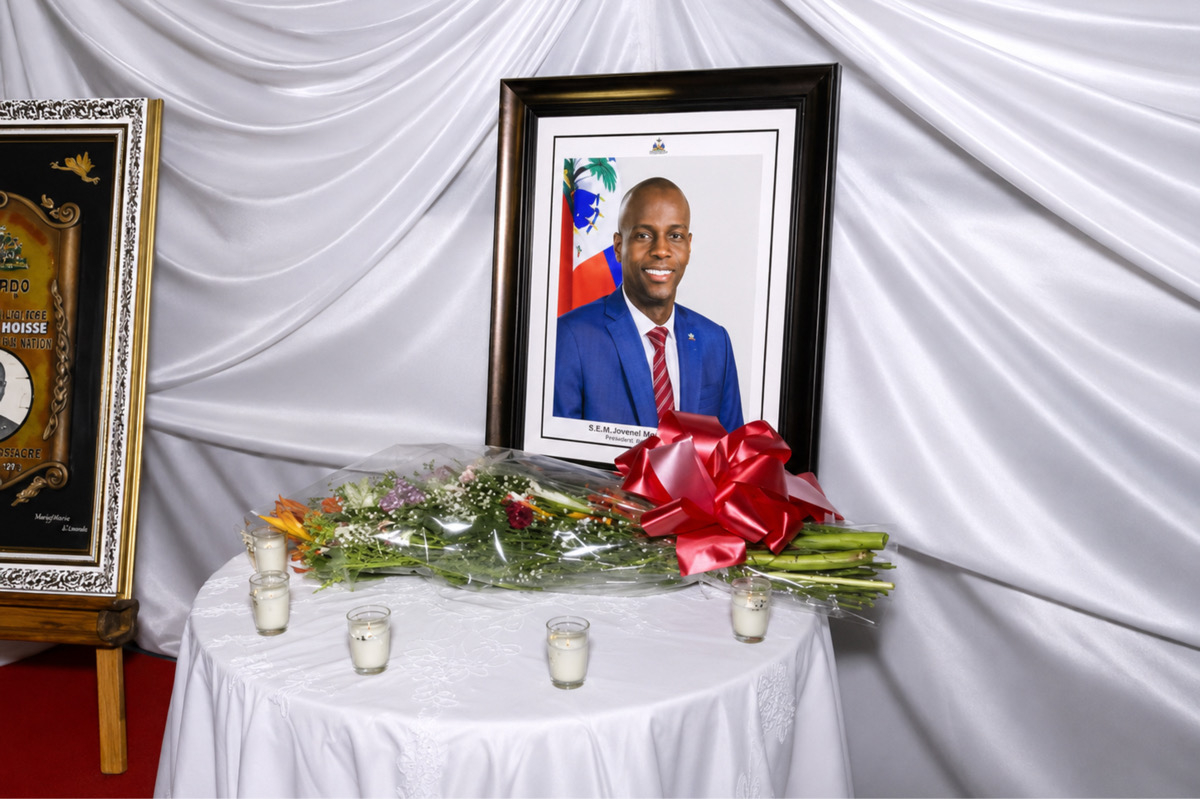
Five years after the assassination of President Jovenel Moïse, Haiti remains mired in a political, security and institutional crisis with no end in sight. While several transitional governments have come and gone since the killing on the night of July 6 to 7, 2021, the promise to restore constitutional order and deliver justice remains largely unfulfilled. Since the crime that upended the country’s contemporary history, transitional authorities have taken turns at the head of the state. Yet despite repeated pledges to hold elections, restore security and strengthen institutions, there has been no return to democratic order. Elections have been postponed several times, while insecurity has worsened under the growing grip of armed groups.
On the judicial front, the Jovenel Moïse assassination case continues to move at a pace many observers consider slow. While several convictions have been handed down in the United States against some of those involved in the plot, in Haiti the investigation has been marked by delays, changes of judges, institutional difficulties and lingering questions about who masterminded the killing. For the former head of state’s loved ones and for much of the public, the full truth remains out of reach. Meanwhile, transitional governments have followed one another without managing to restore stability. Promises of institutional reform, of fighting gangs and of organizing credible elections have run up against a reality dominated by insecurity, mass displacement and the continued weakening of public institutions.
On this fifth anniversary, many voices point out that the time that has passed has still not met the population’s two main expectations: learning the whole truth about President Jovenel Moïse’s assassination and allowing Haitians to freely choose their leaders through democratic elections. Five years on, July 7 thus remains the symbol of a country facing a double impasse: a political transition that drags on with no clear end date, and a justice system that is still struggling to shed full light on one of the most significant events in Haiti’s recent history.
Journaliste-Rédactrice à Hebdo24 | Politicienne | Experte en Relations Internationales 📩 : jenny@hebdo24.com Suivez-moi sur X : @jennyhebdo24
All articlesRead also
“Le pari du dialogue”: Wilner Joseph rallies support around his book and vision for Haiti
19 Nov

“Le pari du dialogue”: Wilner Joseph’s vision for Haiti and its relations with the Dominican Republic
16 Nov
2027 presidential race: Martine Moïse makes her candidacy official under the GAD banner
15 Nov
Minister Sandra Paulemon Bets on Training Officials to Modernize Public Action
14 Nov