

Elections: CEP Decides — 105 Political Groups Cleared to Enter the Race
By Naïka Eugene
This article is also available in Français, Español and Kreyòl ayisyen
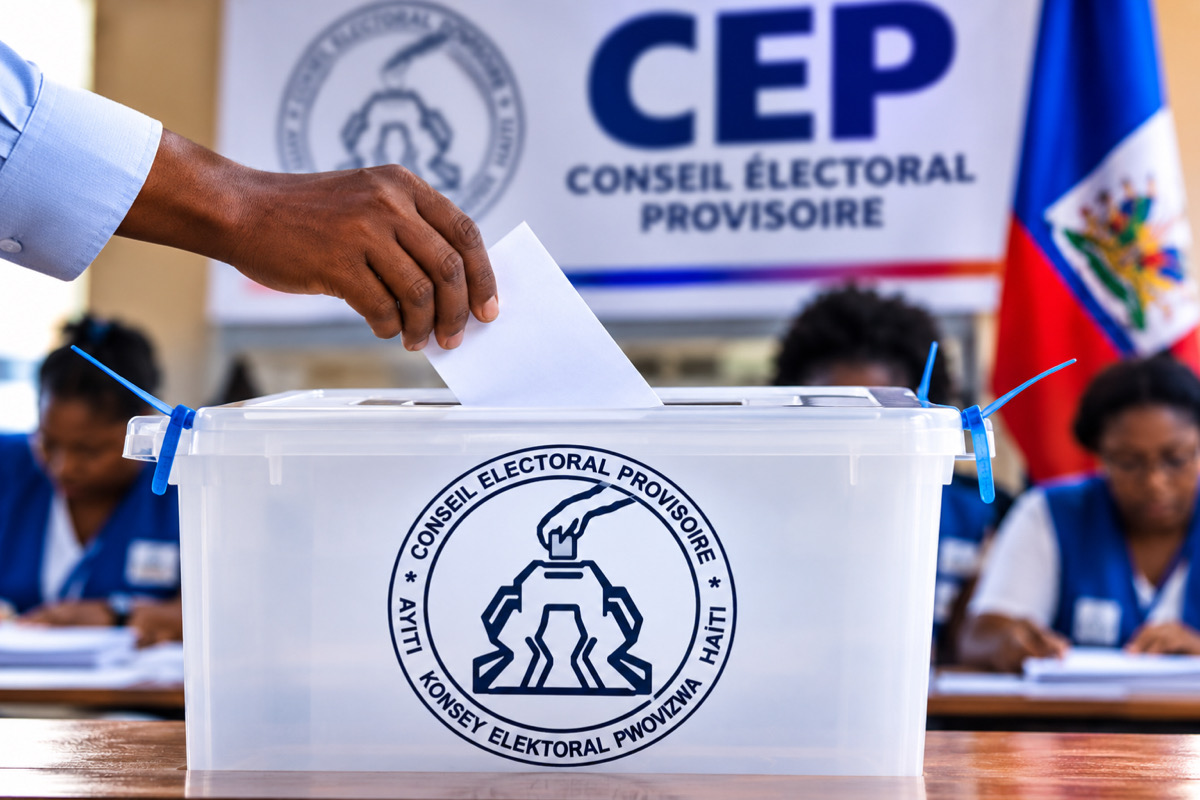
The Provisional Electoral Council (CEP) has taken another step in preparing for the upcoming elections. At the end of the registration period, the electoral body approved 105 political organizations: 88 political parties and 17 coalitions. Beyond the numbers, the new lineup paints a picture of a highly fragmented political landscape, marked by established parties, newly emerging organizations and a proliferation of alliances ahead of the coming electoral contest.
The final list published by the CEP is thus a first snapshot of the political forces cleared to continue in the electoral process. The administrative verdict is in: 88 political parties have been approved, along with 17 political coalitions, bringing to 105 the total number of organizations recognized by the CEP. The parties include several well-known names on Haiti’s political scene, including Fanmi Lavalas, OPL, INITE, Fusion and Ayiti An Aksyon (AAA). Alongside them are newer or less established organizations such as EDE, Fòs Pèp La, Pati Politik Peyizan, Pati Chimen Limyè, Pati Kreyòl Nou Ye and Réveil d’Haïti. One absence stands out, however: Moïse Jean-Charles’s Pitit Desalin platform does not appear on the final list published by the CEP.
 Transport Package Services
This diversity confirms a trend already observed: Haiti’s political field remains deeply splintered, with a multitude of players seeking to position themselves ahead of the upcoming elections. On top of the many parties are 17 political coalitions, including KAPAB, Platfòm Rekonsilye, PPGA, Debout Patriotes, Delivrans, Ayiti Transfòme, En Avant pour Haïti, LAPEH ak Alye’l yo, Viktwa, Solèy, and Coppos-Haïti et Alliés. The growing number of coalitions reflects the desire of several parties to overcome their individual limitations by forming broader electoral platforms.
In such a fragmented political environment, alliances could play a decisive role. But CEP approval guarantees neither the strength of these coalitions nor their ability to mobilize voters over time. They will now have to demonstrate political coherence, grassroots presence and the ability to turn their institutional standing into a real electoral force.
Engagée pour une société plus juste, inclusive et participative, je mets mon énergie au service du changement social et de la démocratie en Haïti. 📩 Email: naikaeugene@hebdo24.com Suivez-moi sur X : @naikahebdo24
All articlesRead also

“Le pari du dialogue”: Wilner Joseph rallies support around his book and vision for Haiti
19 Nov

“Le pari du dialogue”: Wilner Joseph’s vision for Haiti and its relations with the Dominican Republic
16 Nov

2027 presidential race: Martine Moïse makes her candidacy official under the GAD banner
15 Nov

Minister Sandra Paulemon Bets on Training Officials to Modernize Public Action
14 Nov