

Arms Trafficking in Haiti: UN Extends Its Experts’ Mandate
This article is also available in Français, Español and Kreyòl ayisyen
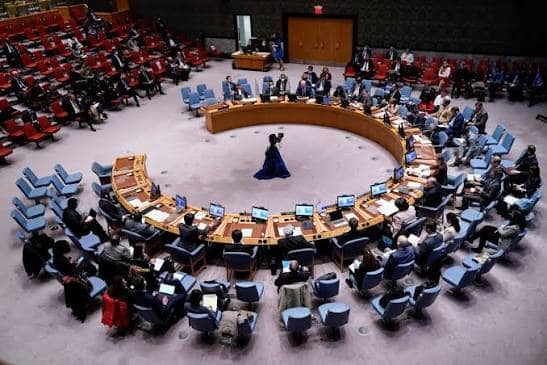
The UN Security Council on Wednesday, October 14, 2026, extended for 13 months the mandate of the panel of experts monitoring the implementation of sanctions on Haiti. The decision comes as gangs continue to obtain military-grade weapons and ammunition despite international restrictions aimed at cutting off their supply. The gap between the measures announced and the reality on the ground raises questions about the effectiveness of the embargo.
Arms flows with documented origins
International investigations continue to point to well-identified supply chains. According to the U.S. Bureau of Alcohol, Tobacco, Firearms and Explosives (ATF), of 46 weapons seized in Haiti in 2024 that could be traced, 40 had been manufactured in or legally imported into the United States. It is a telling figure, although it covers only the weapons examined and traced, not the entire arsenal in circulation in the country.
The Dominican Republic is also among the weak points in these networks. In 2025, ammunition bearing Dominican army markings was found in the possession of 400 Mawozo gang members. Dominican authorities said some of the ammunition had been purchased in 2022 from a Colombian manufacturer. These findings highlight the difficulties of controlling stockpiles and the movement of ammunition in the region, though on their own they do not establish the exact scale of transfers to Haiti.
Other reports have also identified ammunition with lot numbers matching supplies purchased by the Armed Forces of Haiti. Such matches do not necessarily prove direct theft from military stockpiles, but they show the need for better stockpile control and for investigating how this ammunition ends up in the hands of armed groups.
 Transport Package Services
On the ground, the consequences are severe for the Haitian National Police and the other forces fighting the gangs. Facing groups able to obtain assault rifles and ammunition, police operations cannot rely on one-off interventions alone. They require proper equipment, intelligence, reliable logistics and more effective cooperation between Haitian authorities and the countries involved in the supply chains.
Extending the UN experts’ mandate allows investigations to continue and violations of the sanctions to be documented. But it does not, by itself, guarantee that weapons will stop reaching Haiti. The embargo’s effectiveness will depend above all on the authorities’ ability to identify suppliers, disrupt trafficking networks and prosecute those responsible for diverting weapons.
With gangs still spreading terror in several parts of the country, the question remains: how can they be disarmed if the networks feeding their arsenals are not dismantled for good?
Moïse François
Journaliste à Hebdo24, Wilner Bossou couvre principalement le sport, en particulier le football haïtien et international, ainsi que l'actualité, la sécurité et la société en Haïti.
All articlesRead also

Salvadoran strikes destroy Jeff Gwo Lwa’s residence as Bukele calls it a “gift” to Haitians for Vertières
18 Nov
Hebdo24 refreshes its visual identity and unveils a more modern logo
12 Nov
Haiti Elections: Jean Ernest Muscadin Resigns as Chief Prosecutor in Miragoâne
6 Nov
Haiti Elections: Nearly $40 Million Still Needed to Close the Electoral Budget Gap
5 Nov