

ONA–RBI case: Jean-Henry Céant clarifies his role in a sensitive matter
This article is also available in Français, Español and Kreyòl ayisyen
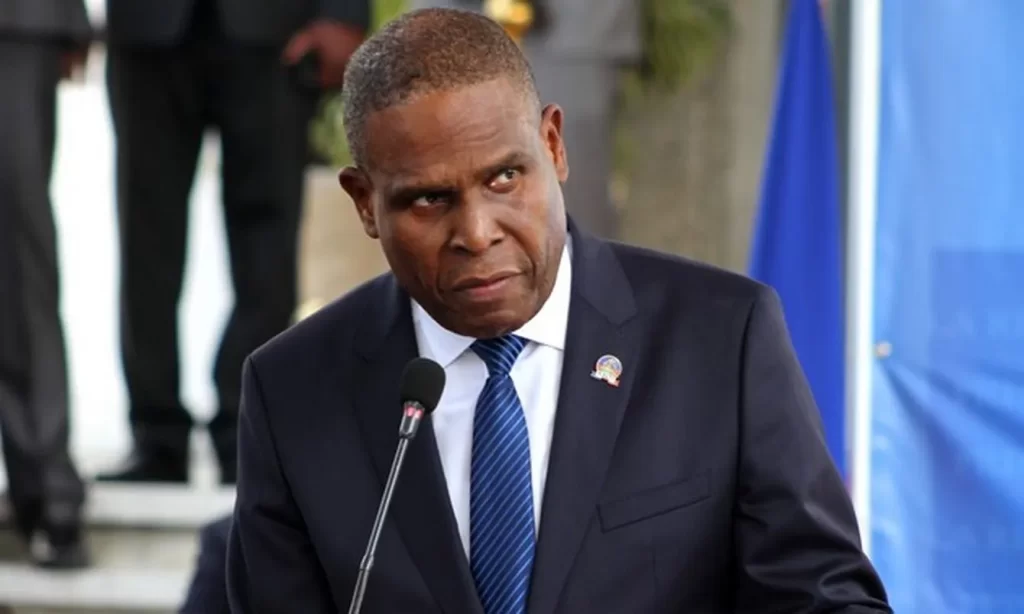
Appearing on the program Micro Vérité, former Prime Minister and retired notary Jean-Henry Céant discussed the controversial investment by the National Old Age Insurance Office (ONA) in the real estate company RBI, headed by Dr. Pierre Reginald Boulos. He said the operation was carried out on the formal instructions of President Jovenel Moïse.
A housing project in Thomassin 39. The case dates back to a housing project for public administration officials in Thomassin 39. An agreement was reportedly reached between the former head of state and businessman Pierre Reginald Boulos, under which ONA would take a 22% stake in RBI in exchange for 65 million gourdes in financing.
A legal transaction. Céant said he was mandated by ONA to execute the transaction, that is, to guarantee its legal authenticity. The terms of the agreement included:
– A share certificate given to ONA to formalize its stake;
– Exclusive rights for ONA to grant the mortgage loans tied to the project;
– A seat on RBI’s board of directors for the institution;
 Transport Package Services
– Priority payment of dividends to ONA ahead of other shareholders.
He said the funds were released by the Bank of the Republic of Haiti (BRH) and paid to RBI through his notary office, as part of a transparent and regulated process.
“I only carried it out.” Faced with criticism following Jovenel Moïse’s assassination, Céant insists he played only a technical role, with no involvement in the political or financial decision. “My role was limited to that of a notary executing a transaction approved by the relevant authorities,” he said.
A case that reveals a system. Beyond his clarifications, the ONA–RBI case remains emblematic of widely criticized practices under Jovenel Moïse: direct state involvement in private arrangements, controversial use of public funds and opaque governance.
In trying to clarify his position, Céant unwittingly raises broader questions about the ties between the public and private sectors in Haiti, and about the need for transparency that continues to fuel public debate.
Journaliste-Rédactrice à Hebdo24 | Politicienne | Experte en Relations Internationales 📩 : jenny@hebdo24.com Suivez-moi sur X : @jennyhebdo24
All articlesRead also
“Le pari du dialogue”: Wilner Joseph rallies support around his book and vision for Haiti
19 Nov

“Le pari du dialogue”: Wilner Joseph’s vision for Haiti and its relations with the Dominican Republic
16 Nov
2027 presidential race: Martine Moïse makes her candidacy official under the GAD banner
15 Nov
Minister Sandra Paulemon Bets on Training Officials to Modernize Public Action
14 Nov