

Felipe Ciprián examines the historical roots of Dominican hostility toward Haiti
This article is also available in Français and Kreyòl ayisyen
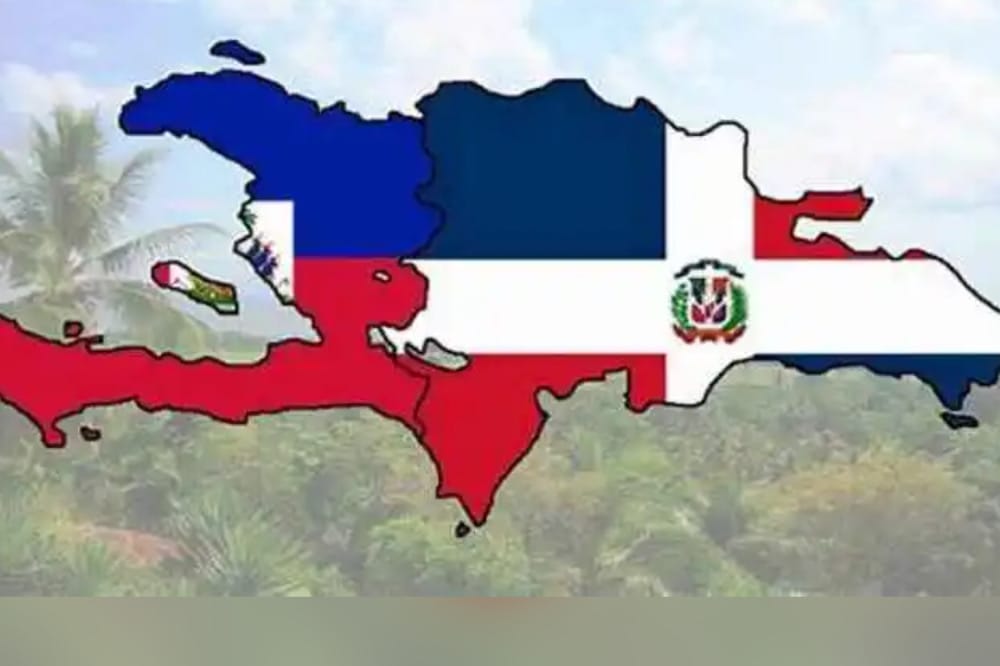
According to Dominican intellectual Felipe Ciprián, the historical roots of Dominican hostility toward Haiti lie in colonial and elitist manipulation.
The two peoples, both victims of European powers, were turned against each other.
The article dismantles the myth of the Haitian “invasion” of 1822: After the Treaty of Basel (1795), France became the owner of the entire island.
By driving out the French, Haitian revolutionaries legally acquired the eastern territory.
When a local faction attempted a secession in 1821 that risked restoring slavery, Haiti took back control of what it considered its legitimate territory.
A division inherited from colonialism
Spain and then France exploited the two parts of the island differently, creating a demographic imbalance (more enslaved people in Haiti).
After Napoleon’s failed attempt to restore slavery, which led to his defeat by the Haitians, foreign powers worked to sow discord.
Journaliste-Rédactrice à Hebdo24 | Politicienne | Experte en Relations Internationales 📩 : jenny@hebdo24.com Suivez-moi sur X : @jennyhebdo24
All articles Transport Package Services
Read also

The Complicit Silence of Haitian Diplomacy in the Face of Dominican Repression
5 Jul
Dimitri Hérard urges Trump to declassify files on Jovenel Moïse’s assassination
22 Mar

Marco Rubio’s visit to the Dominican Republic and the failure of Haitian diplomacy
13 Feb

The United States, the Dominican Republic and the plan to seize Haiti’s large rare earth reserves
10 Feb