

Constitutional reform working group gets to work
By Naïka Eugene
This article is also available in Français and Kreyòl ayisyen
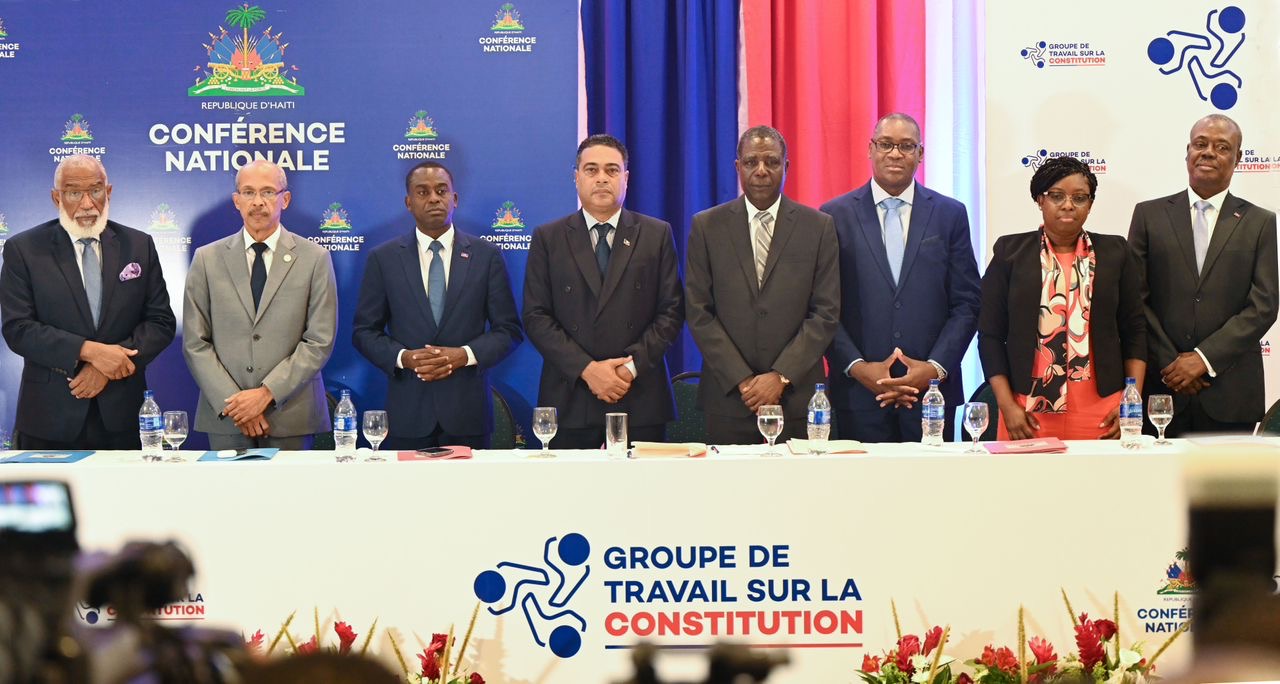
The Constitution Working Group (GTC) officially launched its work on Tuesday, Nov. 12, 2024, amid an acute crisis. According to a statement, under the coordination of Jerry Tardieu, former chairman of the Chamber of Deputies’ Special Commission on Amending the Constitution, the GTC has committed to drafting a new fundamental law for Haiti that reflects the aspirations of organized sectors and will be put to a popular vote in a referendum.
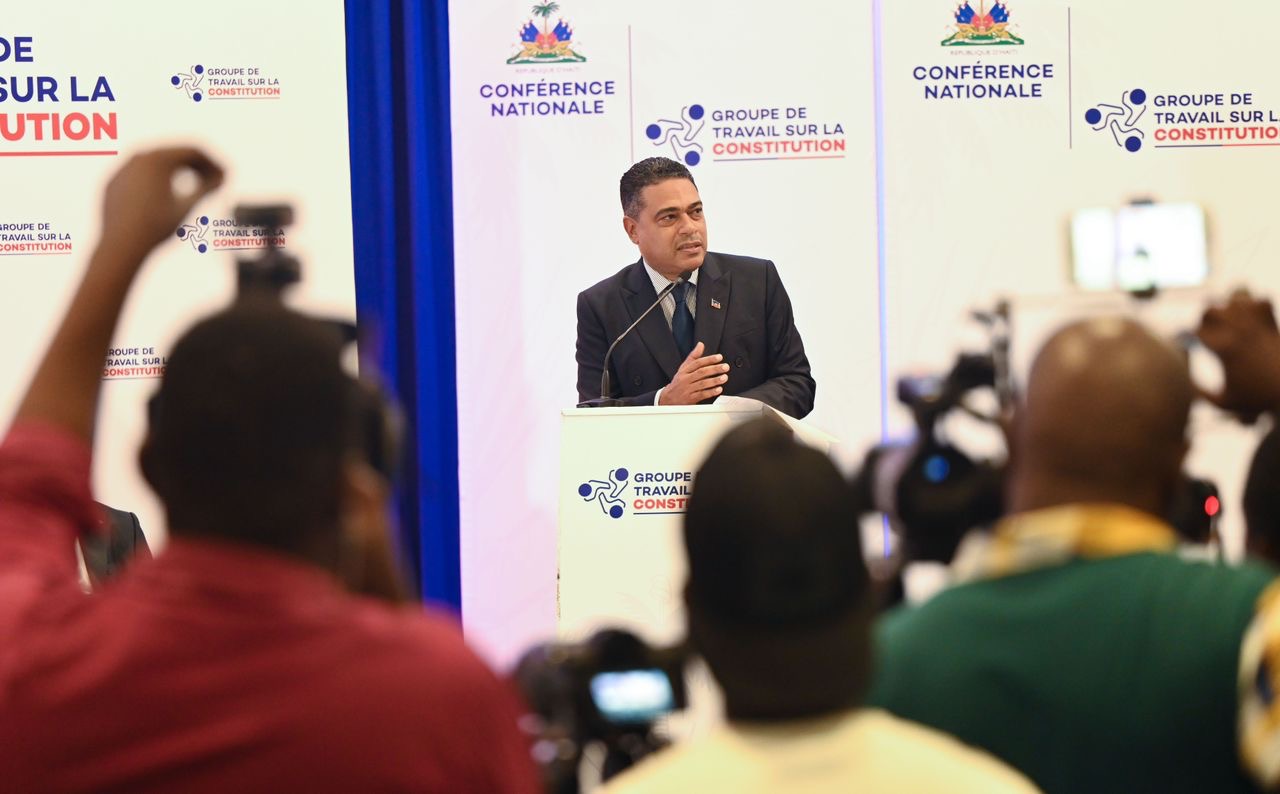
Made up of nine figures from academia and the legal world, the GTC brings together people with varied backgrounds recognized for their expertise in constitutional law and public administration. They include Jerry Tardieu; lawyer Eugène Pierre-Louis, dean of the Law School of the State University of Haiti; Professor Jean-Robert Charles, president of the Conference of University Rectors and Leaders; lawyer Patrick Pierre-Louis, head of the Port-au-Prince Bar Association; as well as other experts such as Dr. Louis Naud Pierre; lawyer Guerdy Lissade, vice president of the Haitian Society of History, Geography and Geology; lawyer Norah Amilcar Jean-François, a law professor at UEH; and Kerlande Mibel, an activist for women’s rights and the Haitian diaspora.
The GTC is also drawing on previous work on the constitutional question, including the three major state reports published over the past 15 years, with Professor Claude Moïse as senior consultant. These documents, the result of national consultations, provide a solid basis to guide constitutional revision.
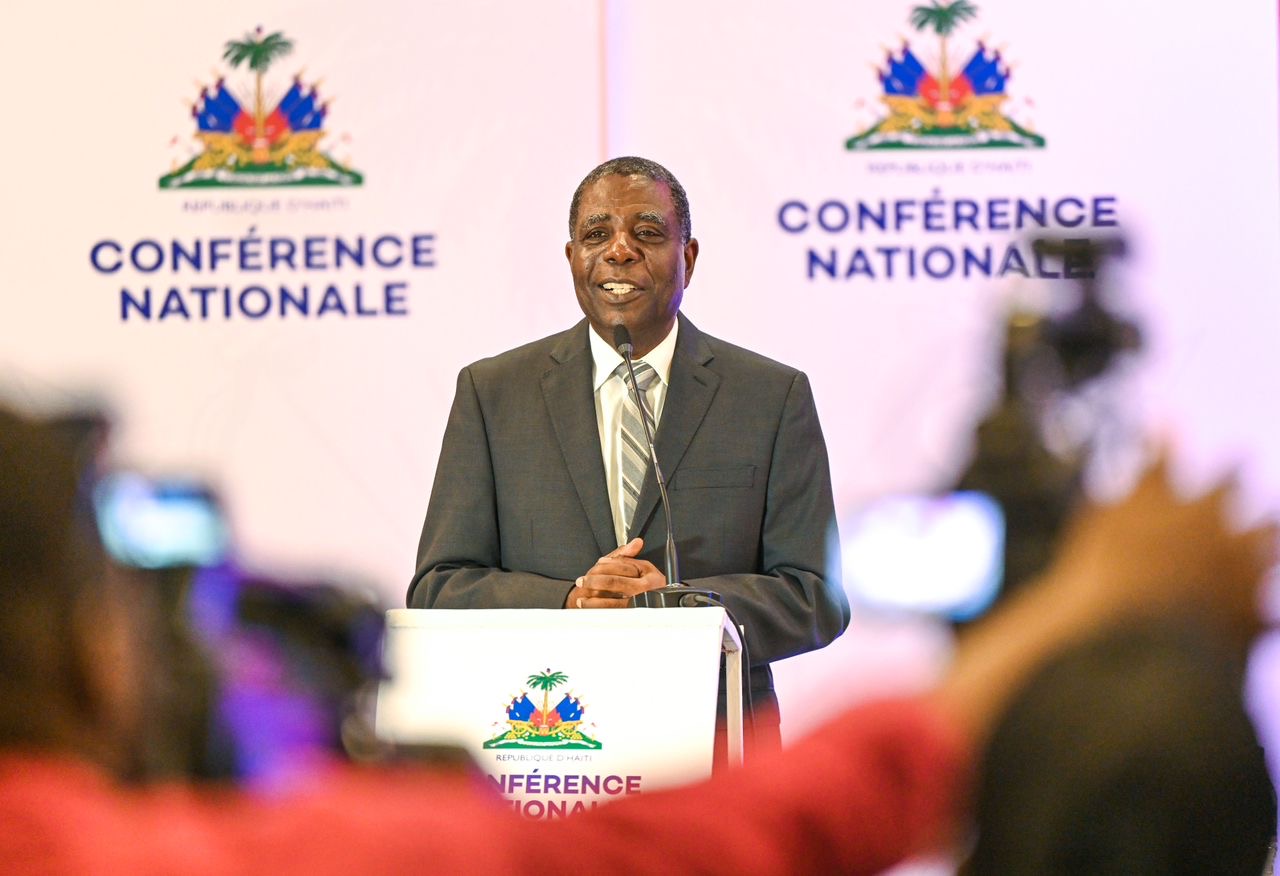
Tardieu recalled that the GTC enjoys full autonomy and will carry out its patriotic task in Haiti’s interest, and that no local or international interference will influence its work. Meanwhile, Enex Jean-Charles, chairman of the national conference steering committee, hopes “that the sectors will participate actively in the process by taking part in the exchange workshops to be held across the country and in the diaspora.”
According to the GTC, the involvement of private and public universities, as neutral spaces to host debates on national issues informed by research and critical thinking, is a major feature of the constitutional revision work.
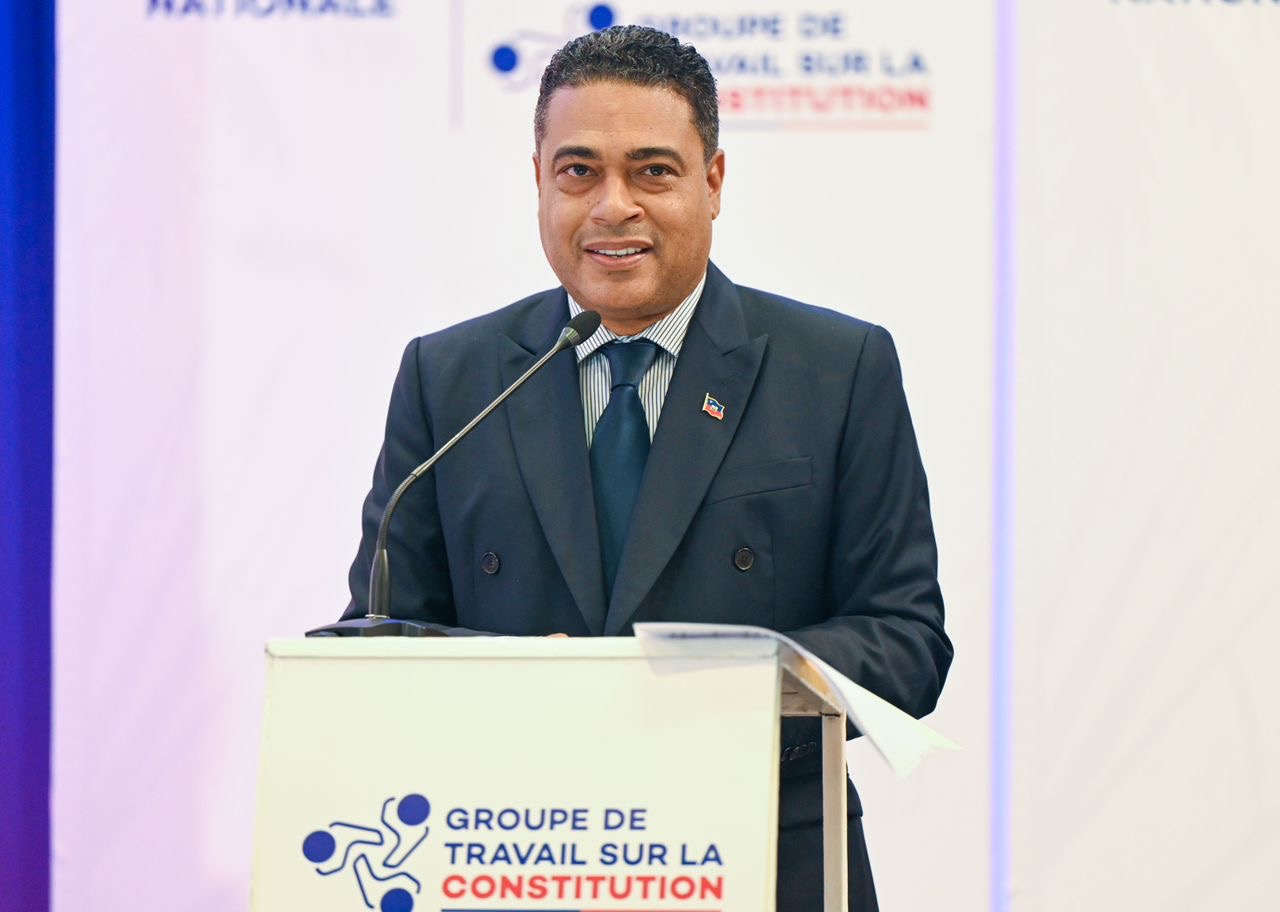
To structure the discussions, Louis Naud Pierre announced the upcoming release of two framework documents for the country’s organized sectors to facilitate discussions in the coming months.
The GTC also plans to gather reactions, suggestions and proposals from various sectors to inform a constitutional revision aimed at improving Haiti’s governance by facilitating cooperation among the three branches of government and avoiding both unproductive dilution of power and excessive concentration leading to harmful authoritarianism.
Engagée pour une société plus juste, inclusive et participative, je mets mon énergie au service du changement social et de la démocratie en Haïti. 📩 Email: naikaeugene@hebdo24.com Suivez-moi sur X : @naikahebdo24
All articles Transport Package Services