

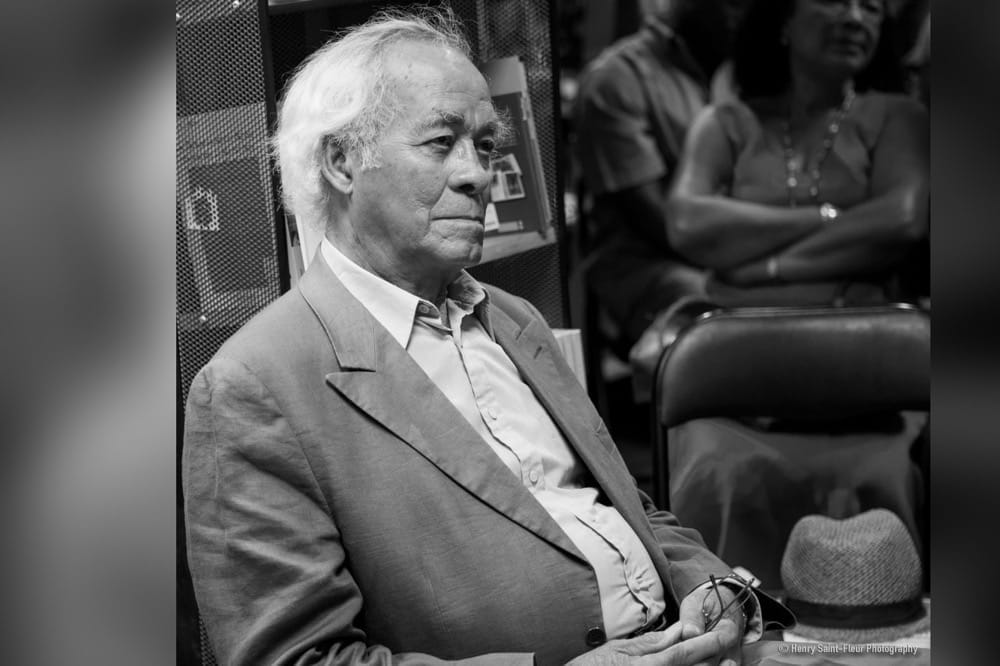
When our freedoms fall silent, the poet’s song is often the only rampart between the nation and nothingness. Without its poem, without its song, a nation is merely a scattered group of individuals.
It is in light of this idea that, in memory of the moments when we were powerless under the boots of the “green god of the Yankees,” Anthony Phelps poured out his indignation. And facing the Duvalier regime, which raised atrocity and the trivialization of human life and dignity to their highest degree, the poet, novelist, playwright, short-story writer, performer and political activist understood that the poem is the breath of oxygen that would restore life to the national cause and, of course, to the human cause.
He knew how to seize fragile moments to make his pen a voice that would carry, at the cost of exile, the cause of the Indigenous people mutilated by “the god of the Spaniards,” of Black flesh reduced to a gold mine and a sugar cane pump, and of a nation whose conception and gestation witnessed oppression and indignity.
Born under the U.S. occupation of Haiti (1928), Anthony Phelps gave his pen a solemnity worthy of the name to confront domination and remind Haitians and the whole world that the Haitian nation is sovereign. As an activist, he joined the “Haïti littéraire” circle alongside Serge Legagneur, René Philoctète and Roland Morisseau. His long poetic journey was a long pilgrimage in search of freedom and of daily bread for Haitians.
To our children, and to today’s Haitians, most of whom seem color-blind to the national colors, it is urgent to teach Anthony Phelps’ great song, Mon pays que voici (1968), so they learn to stand up to the “Yankee” who, now with a veiled face, keeps drinking our “cocoa and coffee.” While “our cities,” our freedoms and our dignity as men and women are dimmed, we must ask: Who dares to laugh in the dark?
We must recognize that the hour has come for art to rise up as a shield. For if art is the place of truth, it must take on a decisive role to give Haitian independence, and indeed human dignity, their letters of nobility, as Anthony Phelps did so well.
If guns sing the dirge of death in our streets, we must tell ourselves that the time has come to answer with bolder refrains carrying the airs of freedom of Anthony Phelps’ great song, in which the poet addresses the “Yankee” who drinks his coffee and cocoa and enters his home as if it were conquered land, while he waits in his night for the wind to change.
R. Doirin
doirincandle07@gmail.com
Hebdo24 est un journal en ligne qui fait de la permanence mais aussi la rigueur dans le traitement de l’information son cheval de bataille.
All articles Transport Package Services
Read also

Miss Universe: Tatenda Rameau turns heads at the first events of the 75th edition
13 Nov
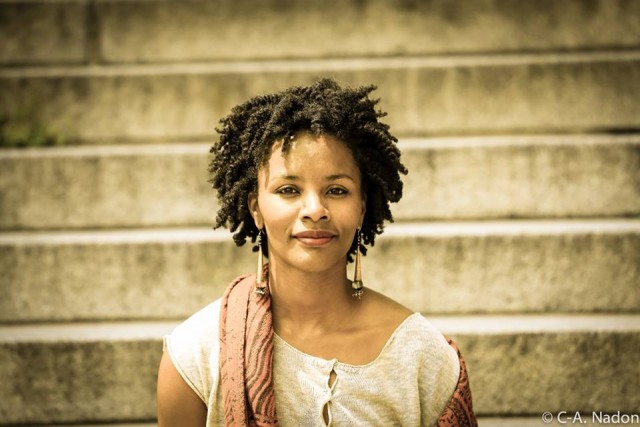
Gessica Généus’s “Marie Madeleine” Wins the Gold Hugo at the Chicago Film Festival
24 Oct
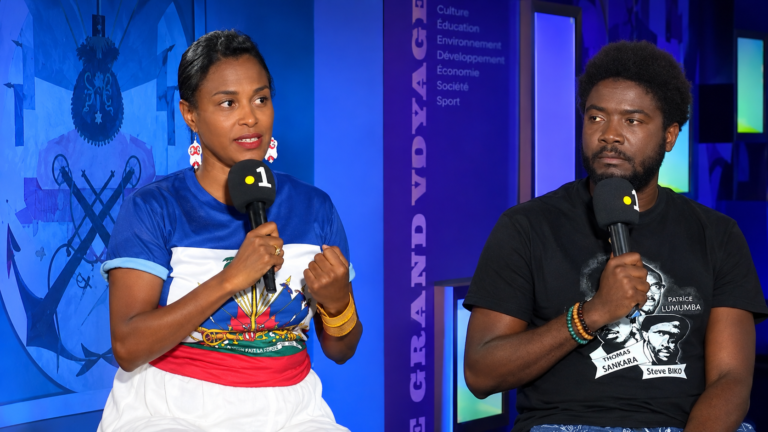
Two Haitian Filmmakers Honored at FIFAC in French Guiana
16 Oct
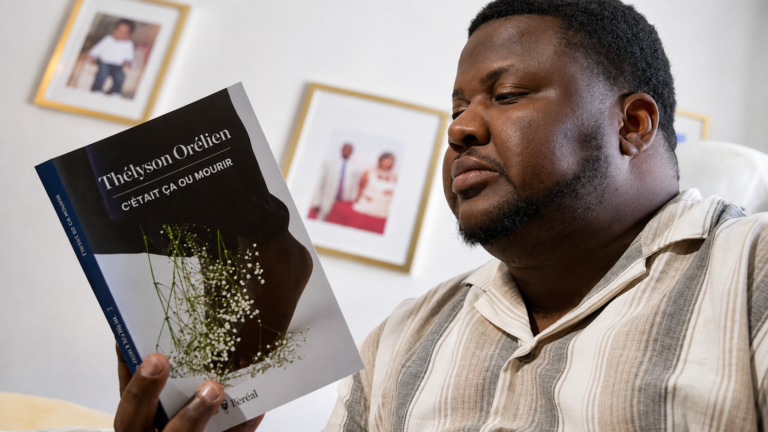
Despite Controversy, Thélyson Orélien Stays in the Running for the Renaudot With “C’était ça ou mourir”
8 Oct