

When promises collide with the reality of justice in Haiti
This article is also available in Français, Español and Kreyòl ayisyen

The Haitian government’s recent press release, issued with the CPT, announces the reopening of the Port-au-Prince Court of First Instance and the creation of specialized judicial units. While these initiatives may look promising on paper, they raise crucial questions about the state’s real capacity to carry out these reforms amid a deep institutional crisis.
First, the court’s reopening is presented as a step toward justice and security. But simply reopening judicial institutions is not enough to guarantee access to fair justice. The effectiveness of these courts depends heavily on the integrity and independence of judges and on the safety of witnesses and victims. In a country where impunity reigns and threats and corruption plague the judicial system, what guarantees that this reopening will not be just a façade without substance?
The creation of specialized judicial units is also hailed as a major advance in the fight against impunity. Yet it is essential to ask whether these structures will have the resources to function effectively. A lack of financial and human resources has often hampered the proper functioning of judicial institutions in Haiti. Without a real commitment to provide adequate resources and ensure ongoing training for judicial personnel, these units risk becoming empty shells, unable to handle the sensitive cases entrusted to them.
 Transport Package Services
The press release also mentions the need to restore citizens’ trust in institutions. However, it is hard to imagine such trust being reborn while corruption scandals and abuses of power continue to tarnish the state’s image. Promises of fair justice are regularly contradicted by actions that seem to favor impunity. The Haitian population needs concrete proof that the government takes the fight against corruption and mass crimes seriously, not mere statements of intent.
Finally, the call for justice actors to contribute to this drive for change seems more like an attempt to mask the state’s structural flaws than to encourage genuine dialogue. Reforms must be accompanied by sincere political will and active listening to the concerns of citizens and victims.
Journaliste- Rédacteur, avocat et éducateur haïtien. 📩 Email: bernadinjules@hebdo24.com Suivez-moi sur X : @bernadinjules24
All articlesRead also
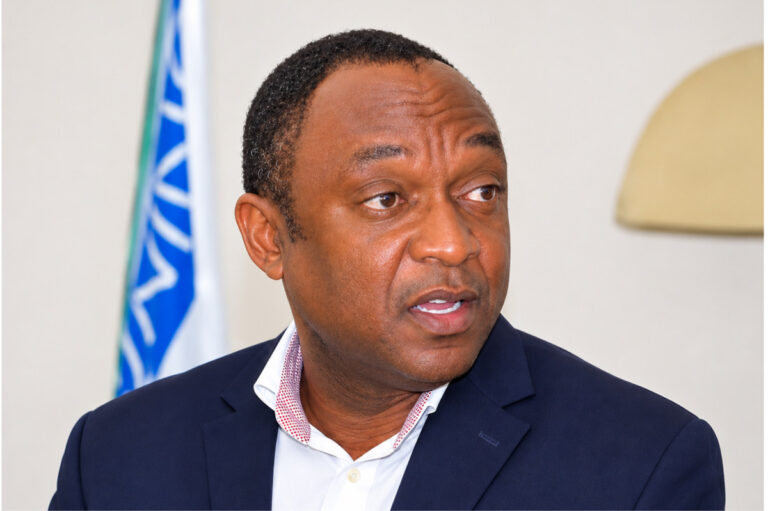
Branded a “Gang Boss” by the UN, Youri Latortue Applauds Nayib Bukele’s Intervention in Haiti. The Irony!
5 Nov

Haiti: UN Sanctions on Political and Economic Players Offer Hope for Ending Impunity and Reviving Democracy
15 Oct

The CEP’s Calendar: A Deadline That Could Open a New Chapter of Political Instability
28 Jul

Rampant Insecurity in Haiti: Can the Ministry of Tourism Justify Its Spending?
6 May