

Alix Didier Fils-Aimé: A Security Promise Still Unkept After 21 Months in Power
This article is also available in Français, Español and Kreyòl ayisyen
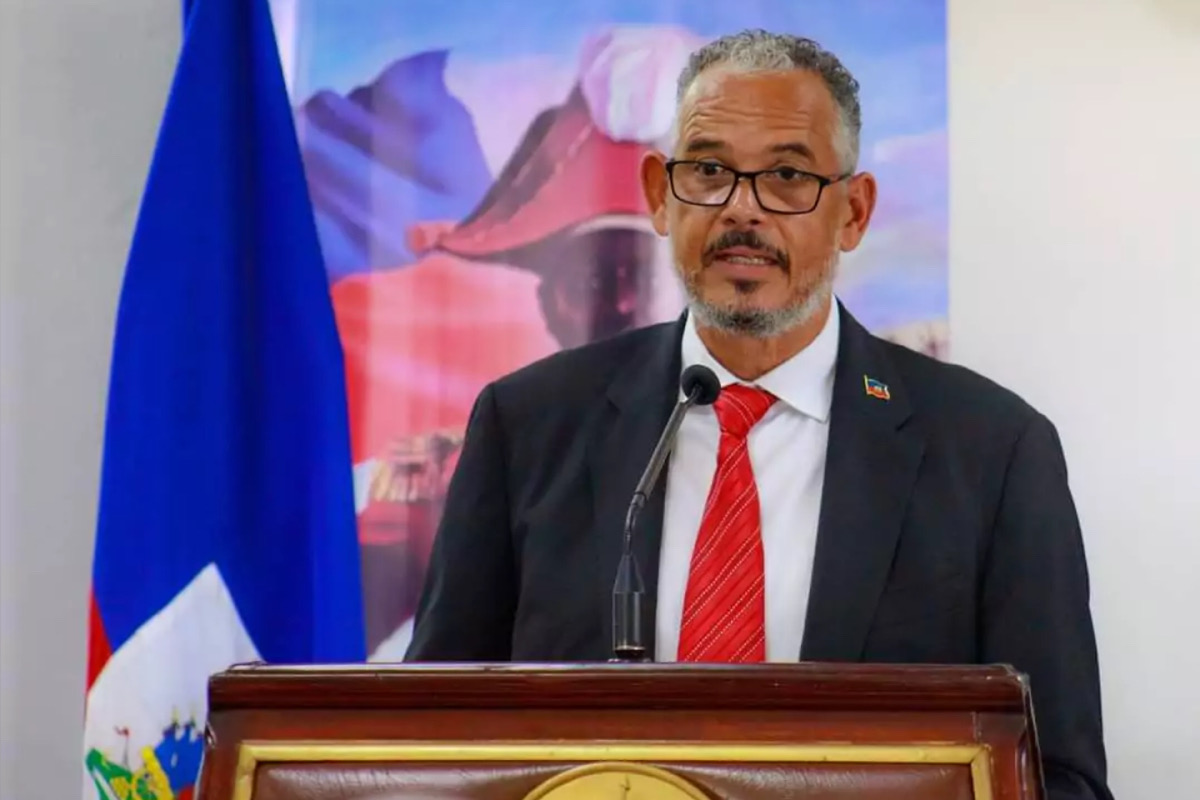
On November 11, 2024, Alix Didier Fils-Aimé became prime minister with one central promise: to restore security and regain control of the territory. He took office as gangs were already extending their grip on Port-au-Prince and its surroundings.
Twenty-one months later, that promise looks more like an abandoned commitment than an achieved goal. When he took office, the new head of government made security a priority. A few days later, his government even announced exceptional measures, including declaring a security state of emergency and plans for new tools to strengthen the state’s response. But behind the announcements, concrete results are still slow to materialize.
Twenty-one months on, the verdict is damning. The question is no longer whether the Fils-Aimé government has announced measures. It has announced many. The real question is what has actually changed for citizens. In Port-au-Prince, the security situation has deteriorated sharply. Armed groups have consolidated their presence in the capital and expanded their activities into new areas. Kidnappings, killings, forced displacement and sexual violence remain part of daily life for thousands of families.
 Transport Package Services
Delmas is a particularly telling case. Once considered one of the relatively accessible parts of the metropolitan area, the commune now faces a surge in kidnappings and mounting pressure from armed groups. Authorities have been forced to hold crisis meeting after crisis meeting, while residents are demanding above all a real state presence and genuine protection. In other words, after nearly two years, citizens do not measure government action by the number of cabinet meetings, strategy sessions or public statements. They measure it by whether they can leave home without fear of being kidnapped.
The promise to regain control
When he came to power, Fils-Aimé admittedly inherited an extremely difficult situation. Gangs had already taken control of much of Port-au-Prince. International reports described a weak state response and a limited capacity of the security forces to contain criminal groups. But precisely for that reason, the new government’s responsibility was enormous: to turn the security emergency into results. Yet as the months went by, the government’s message often gave the impression that the solution was always just around the corner: strengthening the National Police, international support, announced operations, new strategies, high-level meetings and promises to retake territory. Meanwhile, the gangs kept gaining ground.
Journaliste-Rédactrice à Hebdo24 | Politicienne | Experte en Relations Internationales 📩 : jenny@hebdo24.com Suivez-moi sur X : @jennyhebdo24
All articlesRead also
“Le pari du dialogue”: Wilner Joseph rallies support around his book and vision for Haiti
19 Nov

“Le pari du dialogue”: Wilner Joseph’s vision for Haiti and its relations with the Dominican Republic
16 Nov
2027 presidential race: Martine Moïse makes her candidacy official under the GAD banner
15 Nov
Minister Sandra Paulemon Bets on Training Officials to Modernize Public Action
14 Nov